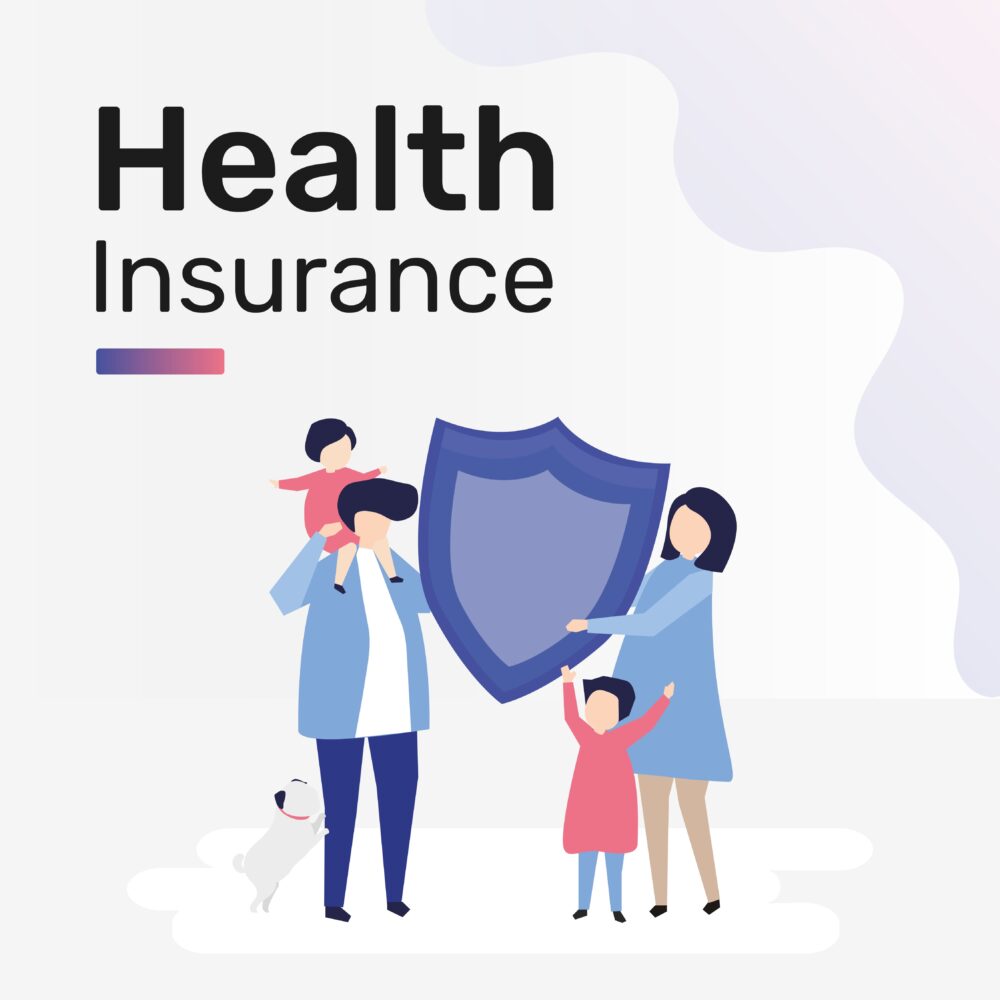

Health Insurance Why It Matters More Than You Think
Imagine driving a car without brakes. Sounds risky, right? Well, living without health insurance is a lot like that. You may feel perfectly fine today, but life has a strange habit of throwing curveballs when you least expect them. One accident, one surgery, or even a short hospital stay can turn your finances upside down overnight.
That’s where health insurance steps in — like a financial safety net ready to catch you before you hit the ground too hard.
In this article, we’ll break down everything you need to know about health insurance in a simple, human-friendly way. No confusing jargon. No robotic explanations. Just real talk.
What Is Health Insurance?
Health insurance is basically an agreement between you and an insurance company. You pay a monthly or yearly amount called a premium, and in return, the insurance company helps cover your medical expenses.
Think of it like a membership card for your health. When medical emergencies show up knocking at your door, your insurance helps pay the bills so you don’t have to empty your savings account.
These plans usually cover:
- Hospital stays
- Doctor visits
- Surgeries
- Prescription medicines
- Emergency treatments
- Preventive care
Some plans even cover dental and vision care. Pretty useful, huh?
Why Is Health Insurance Important?
Let’s be honest — healthcare is expensive. A single hospitalization can cost thousands of dollars. Without insurance, you’re stuck paying every penny yourself.
Health insurance protects you from these unexpected costs. But it’s not just about money. It also gives peace of mind. And honestly, that peace is priceless.
Here’s why health insurance matters:
Financial Protection
Medical debt is one of the biggest financial burdens people face. Insurance helps reduce those giant bills into manageable costs.
Access to Better Healthcare
People with insurance are more likely to visit doctors regularly, catch diseases early, and receive proper treatment.
Emergency Support
Accidents don’t send calendar invites. Insurance helps you handle emergencies without panic.
Preventive Care
Many health plans cover vaccinations, checkups, and screenings. It’s like maintaining your car before it breaks down.
Types of Health Insurance
Not all health insurance plans are created equal. Some are basic, while others offer broader protection.
Let’s look at the most common types.
Individual Health Insurance
This plan covers one person only. It’s perfect for freelancers, students, or anyone without employer coverage.
Family Health Insurance
A single policy covers your whole family. It’s usually cheaper than buying separate plans for each member.
Employer-Sponsored Insurance
Many companies offer health insurance as part of employee benefits. Employers often pay part of the premium, which makes it affordable.
Senior Citizen Health Insurance
Designed specifically for older adults, these plans cover age-related illnesses and treatments.
Critical Illness Insurance
This provides a lump sum payout if diagnosed with serious diseases like cancer, stroke, or heart disease.
It’s like having a backup parachute when life gets scary.
How Does Health Insurance Work?
At first glance, insurance might seem complicated. But once you understand the basics, it’s actually pretty simple.
Here are the key terms you should know:
Premium
This is the amount you pay regularly to keep your insurance active.
Deductible
The amount you must pay before insurance starts helping with costs.
Copayment
A small fixed fee you pay for doctor visits or medicines.
Network Hospitals
Hospitals partnered with your insurance provider where you can get cashless treatment.
Claim
A request you make to the insurance company asking them to pay medical expenses.
Sounds less intimidating now, doesn’t it?
Benefits of Having Health Insurance
Still wondering if health insurance is worth it? Let’s make it crystal clear.
Saves Money in the Long Run
Sure, paying premiums may feel annoying sometimes. But compared to massive hospital bills, it’s a bargain.
Tax Benefits
In many countries, health insurance premiums qualify for tax deductions. So you save money while protecting yourself.
Better Treatment Options
Insurance gives access to better hospitals and specialists you might otherwise avoid because of cost.
Mental Peace
Knowing you’re covered during emergencies helps reduce stress and anxiety.
And honestly, sleeping peacefully at night is underrated.
Things to Consider Before Buying Health Insurance
Buying health insurance isn’t something you should rush into. It’s more like choosing the right umbrella before the storm begins.
Here’s what you should check:
Coverage Amount
Make sure the sum insured is enough for medical emergencies and rising healthcare costs.
Waiting Period
Some diseases are covered only after a certain time period.
Hospital Network
Choose insurers with a wide network of hospitals near your area.
Claim Settlement Ratio
This shows how often the insurer successfully settles claims. Higher is better.
Premium Cost
Don’t just choose the cheapest plan. Cheap plans sometimes come with limited coverage.
Remember: a parachute that opens halfway isn’t very useful.
Common Health Insurance Myths
There are tons of misconceptions floating around about health insurance. Let’s bust a few.
“I’m Young, So I Don’t Need Insurance”
Really? Accidents and illnesses don’t care about age.
Buying insurance early actually saves money because premiums are lower.
“Health Insurance Covers Everything”
Not always. Every policy has exclusions. Reading the fine print matters.
“It’s Too Expensive”
Compared to a huge medical bill? Not even close.
Skipping insurance to save money is like refusing a life jacket because it costs too much.
Tips to Save Money on Health Insurance
Want good coverage without burning your wallet? Here are a few smart tips.
Compare Different Plans
Never buy the first plan you see. Compare benefits, costs, and coverage.
Buy Early
The younger and healthier you are, the cheaper the premiums.
Choose Higher Deductibles
Higher deductibles often lower premium costs.
Maintain a Healthy Lifestyle
Some insurers offer discounts for healthy habits like exercising and not smoking.
Looks like eating vegetables finally pays off.
The Future of Health Insurance
Health insurance is evolving rapidly. Technology is changing the game in exciting ways.
Today, many insurers offer:
- Digital claims processing
- Telemedicine services
- AI-powered customer support
- Fitness rewards programs
- Mobile health apps
Healthcare is becoming faster, smarter, and more personalized.
In the future, we may even see wearable devices automatically updating insurance providers about health conditions in real time. Sounds futuristic, right?
Conclusion
Health insurance isn’t just another monthly expense — it’s protection for your future. Life is unpredictable, and medical emergencies can arrive without warning. Having the right insurance plan means you won’t have to choose between your health and your savings.
Think of health insurance as a shield. You hope you never need it, but when trouble comes, you’ll be grateful it’s there.
So, whether you’re young, married, single, or retired, investing in health insurance is one of the smartest financial decisions you can make. After all, your health isn’t just important — it’s everything.