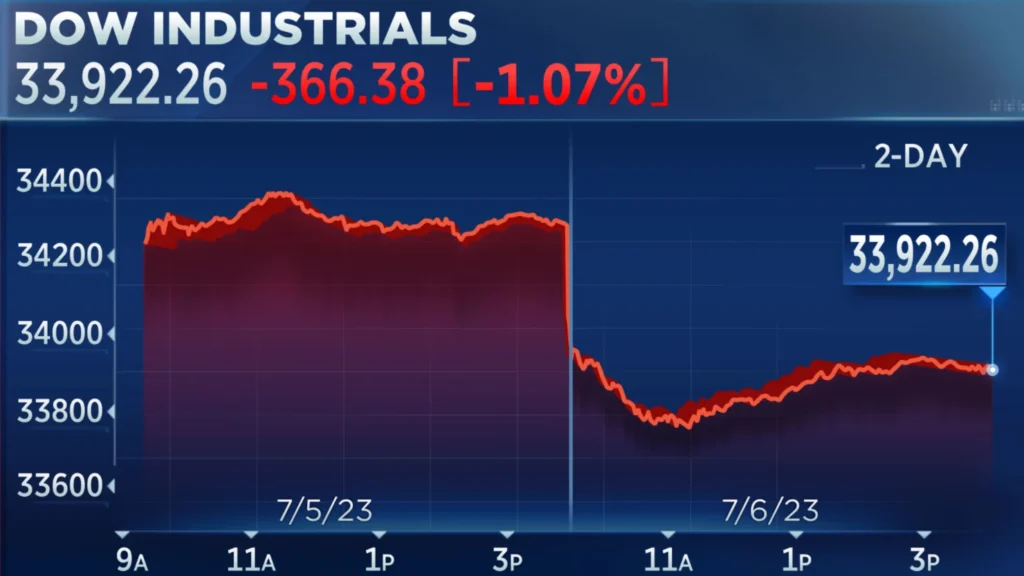

Stock Market Today What’s Driving the Market and What Investors Should Know
The stock market is like a giant heartbeat of the global economy. Some days it races ahead with excitement, while on others it slows down under pressure. If you’ve been checking financial headlines lately, you’ve probably wondered: What is happening in the stock market today, and what does it mean for investors?
Whether you’re a beginner investor or someone who follows market trends daily, understanding today’s stock market movements can help you make smarter financial decisions. In this article, we’ll break down the key factors influencing the market, explore current trends, and discuss what investors should watch moving forward.
Understanding the Stock Market Today
The stock market today is influenced by a mix of economic data, corporate earnings, interest rates, geopolitical events, and investor sentiment. Think of it as a massive puzzle where every piece affects the overall picture.
When investors feel optimistic about economic growth, stock prices tend to rise. On the other hand, uncertainty often leads to selling pressure and market volatility.
Market indexes such as the S&P 500, Nasdaq Composite, and Dow Jones Industrial Average serve as important indicators of overall market performance. These benchmarks help investors gauge whether stocks are generally moving higher or lower.
Key Factors Affecting Today’s Market
Interest Rates and Federal Reserve Decisions
Interest rates remain one of the most powerful forces in the stock market.
When central banks raise interest rates, borrowing becomes more expensive for businesses and consumers. This can slow economic growth and put pressure on stock prices.
Conversely, lower interest rates often encourage spending, investment, and corporate expansion, which can support higher stock valuations.
Investors closely monitor every statement from policymakers because even small hints about future rate changes can trigger significant market reactions.
Corporate Earnings Reports
Earnings season is like report card season for businesses.
Public companies regularly release financial results that show how much money they earned, how much they spent, and what they expect in the future. Strong earnings can push stock prices higher, while disappointing results may lead to declines.
Technology giants, financial institutions, healthcare companies, and consumer brands often have a major influence on overall market sentiment.
Inflation Trends
Inflation measures how quickly prices are rising across the economy.
When inflation remains high, consumers have less purchasing power, and businesses may face higher operating costs. Investors watch inflation reports carefully because they often influence future interest rate decisions.
If inflation shows signs of cooling, markets typically respond positively because it may reduce pressure on central banks to keep rates elevated.
Technology Stocks Continue to Lead
One of the biggest stories in today’s stock market is the ongoing strength of technology stocks.
Companies involved in artificial intelligence, cloud computing, semiconductor manufacturing, and digital services continue attracting investor attention. AI-related businesses, in particular, have become major market drivers as organizations across industries invest heavily in automation and machine learning technologies.
The technology sector often acts as the engine of market growth. When tech stocks perform well, major indexes frequently move higher.
However, investors should remember that rapid growth can sometimes lead to high valuations, making careful research essential before investing.
The Impact of Global Events
The stock market doesn’t operate in isolation.
Political developments, international trade agreements, military conflicts, and global economic conditions can all affect investor confidence.
For example, tensions between major economies may create uncertainty for multinational companies. Similarly, disruptions in supply chains can impact corporate profitability and stock performance.
Global events often create short-term volatility, but long-term investors usually focus on broader economic trends rather than daily headlines.
Market Volatility: Should Investors Be Concerned?
Volatility can feel uncomfortable, especially when stock prices swing dramatically from one day to the next.
But here’s an important truth: volatility is a normal part of investing.
Imagine sailing across the ocean. Calm waters are enjoyable, but occasional waves are expected. The stock market works much the same way. Temporary fluctuations don’t necessarily indicate long-term problems.
Many successful investors view market downturns as opportunities to purchase quality stocks at lower prices. The key is maintaining a disciplined investment strategy rather than reacting emotionally to every market movement.
Sectors Investors Are Watching Closely
Several sectors are attracting significant attention in today’s market environment.
Technology
Driven by artificial intelligence, cybersecurity, and cloud computing innovation.
Healthcare
Supported by aging populations, medical advancements, and biotechnology breakthroughs.
Financial Services
Influenced heavily by interest rates and overall economic growth.
Energy
Affected by oil prices, renewable energy investments, and geopolitical developments.
Consumer Goods
Reflecting consumer spending patterns and economic confidence.
Diversifying investments across multiple sectors can help reduce risk while providing exposure to various growth opportunities.
Tips for Navigating Today’s Stock Market
Focus on Long-Term Goals
Short-term market movements can be noisy. Investors who maintain a long-term perspective often experience better outcomes than those who constantly chase trends.
Diversify Your Portfolio
Don’t put all your eggs in one basket. Diversification spreads risk across different industries and asset classes.
Stay Informed
Following reliable financial news and market analysis can help you understand major developments without becoming overwhelmed.
Avoid Emotional Decisions
Fear and greed are powerful emotions that can lead to poor investment choices. Building a strategy and sticking to it is usually more effective than reacting to every headline.
Continue Learning
The stock market is constantly evolving. Successful investors treat learning as an ongoing process rather than a one-time event.
What Could Happen Next?
Predicting short-term market movements is notoriously difficult.
Some analysts expect continued growth driven by technological innovation and improving economic conditions. Others remain cautious due to concerns about inflation, interest rates, and global uncertainties.
The reality is that no one can consistently predict every market move. Instead of trying to forecast every twist and turn, many investors focus on owning strong companies with solid fundamentals and long-term growth potential.
This approach helps reduce stress while increasing the likelihood of achieving financial goals over time.
Conclusion
The stock market today reflects a complex mix of economic data, corporate performance, interest rate expectations, and global events. While daily fluctuations may grab headlines, successful investing often comes down to patience, discipline, and a long-term mindset.
Think of the stock market as a marathon rather than a sprint. There will be periods of excitement, uncertainty, growth, and decline. Investors who stay informed, diversify their portfolios, and remain focused on their long-term objectives are typically better positioned to navigate whatever the market brings next. By understanding the forces shaping today’s stock market, you can make more confident and informed investment decisions for the future.